
No products in the basket.
Stair Safety & Compliance
How to Choose the Right GRP Stair Nosing for Commercial & Industrial Use
01
Mar
Mar
How to Choose the Right GRP Stair Nosing for Commercial and Industrial Use
Stairs are one of the most common locations for workplace accidents, particularly in commercial and industrial environments where heavy foot traffic, wet conditions, and demanding use are routine. Installing the correct GRP stair nosing is one of the simplest and most effective ways to improve safety, increase durability, and ensure compliance with UK safety regulations.
This guide explains exactly what to look for when choosing GRP stair nosings for your facility.
What Is GRP Stair Nosing?
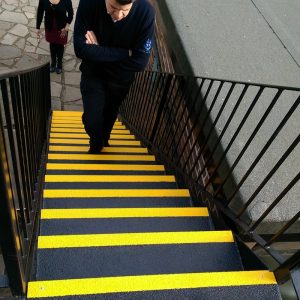
GRP (Glass Reinforced Plastic) stair nosing is a durable, anti-slip safety profile installed on the edge of stair treads. It improves grip, enhances visibility, and protects the stair edge from wear and damage.
GRP is widely used in industrial and commercial environments because it is:
• Highly slip-resistant
• Extremely durable
• Corrosion resistant
• Suitable for indoor and outdoor use
• Maintenance-free
Unlike metal alternatives, GRP does not rust and maintains its anti-slip properties even in harsh environments.
Why GRP Stair Nosings Are Essential for Commercial and Industrial Stairs
Installing the correct stair nosing significantly reduces the risk of slips and falls, which can lead to serious injury and liability.
GRP stair nosings help by:
• Providing high levels of slip resistance, even when wet
• Increasing step visibility with contrasting colours
• Protecting stair edges from wear and damage
• Helping businesses comply with workplace safety regulations
• Improving overall stair durability
They are particularly important in environments such as factories, warehouses, food production facilities, outdoor staircases, and public buildings.
Key Factors to Consider When Choosing GRP Stair Nosings
1. Slip Resistance Rating
Slip resistance is the most important factor. GRP stair nosings typically provide excellent slip resistance due to their gritted surface.
Look for products suitable for:
• Wet environments
• Industrial use
• Heavy foot traffic
• Outdoor applications
Higher slip resistance is especially important in areas exposed to water, oils, or cleaning chemicals.
2. Environment and Application
Consider where the stair nosing will be installed.
For example:
Indoor commercial environments
Offices, retail, and public buildings typically require standard-duty GRP stair nosings.
Industrial environments
Factories and warehouses benefit from heavy-duty nosings designed for constant use.
Outdoor environments
External stairs require weather-resistant nosings that maintain grip in rain, frost, and ice.
GRP is ideal for all these environments because it is unaffected by moisture or corrosion.
3. Visibility and Colour Contrast
Stair nosings also improve safety by making step edges more visible.
High-visibility colours such as:
• Yellow
• White
• Black with contrasting inserts
help users clearly see each step edge, reducing trip risks.
This is particularly important in low-light environments and areas used by the public.
4. Size and Profile
GRP stair nosings come in different sizes and profiles to suit various stair types.
Choose a profile that:
• Fully covers the stair edge
• Fits securely on your stair material
• Matches the level of traffic and use
Standard right-angle profiles are suitable for most applications, but larger profiles may be required for heavy industrial environments.
5. Installation Surface
GRP stair nosings can be installed on:
• Concrete stairs
• Metal stairs
• Wooden stairs
• Existing stair treads
They can be fixed using screws, adhesive, or both, depending on the surface and environment.
6. Durability and Lifespan
GRP stair nosings are extremely durable and can last for many years, even in demanding industrial environments.
They resist:
• Corrosion
• Chemicals
• Heavy wear
• Weather exposure
This makes them far more cost-effective long term compared to metal or anti-slip tape solutions.
Compliance with UK Safety Regulations
Employers have a legal responsibility to reduce slip and trip risks under workplace safety regulations.
Installing high-quality GRP stair nosings helps businesses comply with:
• Health and Safety Executive (HSE) guidance
• Workplace (Health, Safety and Welfare) Regulations
• General workplace safety requirements
GRP nosings provide a reliable, long-term safety solution.
Why GRP Is Better Than Alternative Materials
Compared to aluminium or steel stair nosings, GRP offers several advantages:
• Will not rust or corrode
• Maintains slip resistance longer
• Requires less maintenance
• Suitable for harsh environments
• Longer lifespan
This makes GRP the preferred choice for industrial and commercial applications.
Choosing the Right Supplier
When selecting GRP stair nosings, it is important to choose a supplier that offers:
• High-quality GRP materials
• Reliable slip-resistant surfaces
• Durable, industrial-grade products
• Fast delivery and consistent supply
SafetyProductsDirect supplies a wide range of GRP stair nosings suitable for commercial and industrial use.
Choosing the right GRP stair nosing improves safety, ensures compliance, and protects your stairs from long-term damage. By selecting the correct slip resistance level, profile, and visibility option, businesses can significantly reduce accident risks and create safer environments.
GRP stair nosings are a simple, cost-effective investment that delivers long-term safety and durability across commercial and industrial settings.